Player development, Northern Kentucky
The work happens after everyone goes home.
AAU shows what a player already has. It does not build anything. This is the other five months, on outdoor courts in Bellevue, Newport and Fort Thomas.
$280 to $320 a month. Three packages, all published.
years coaching middle school, high school and college programs
years playing college basketball, and a team captain
point scorers coached, more than one, two of them after starting work together
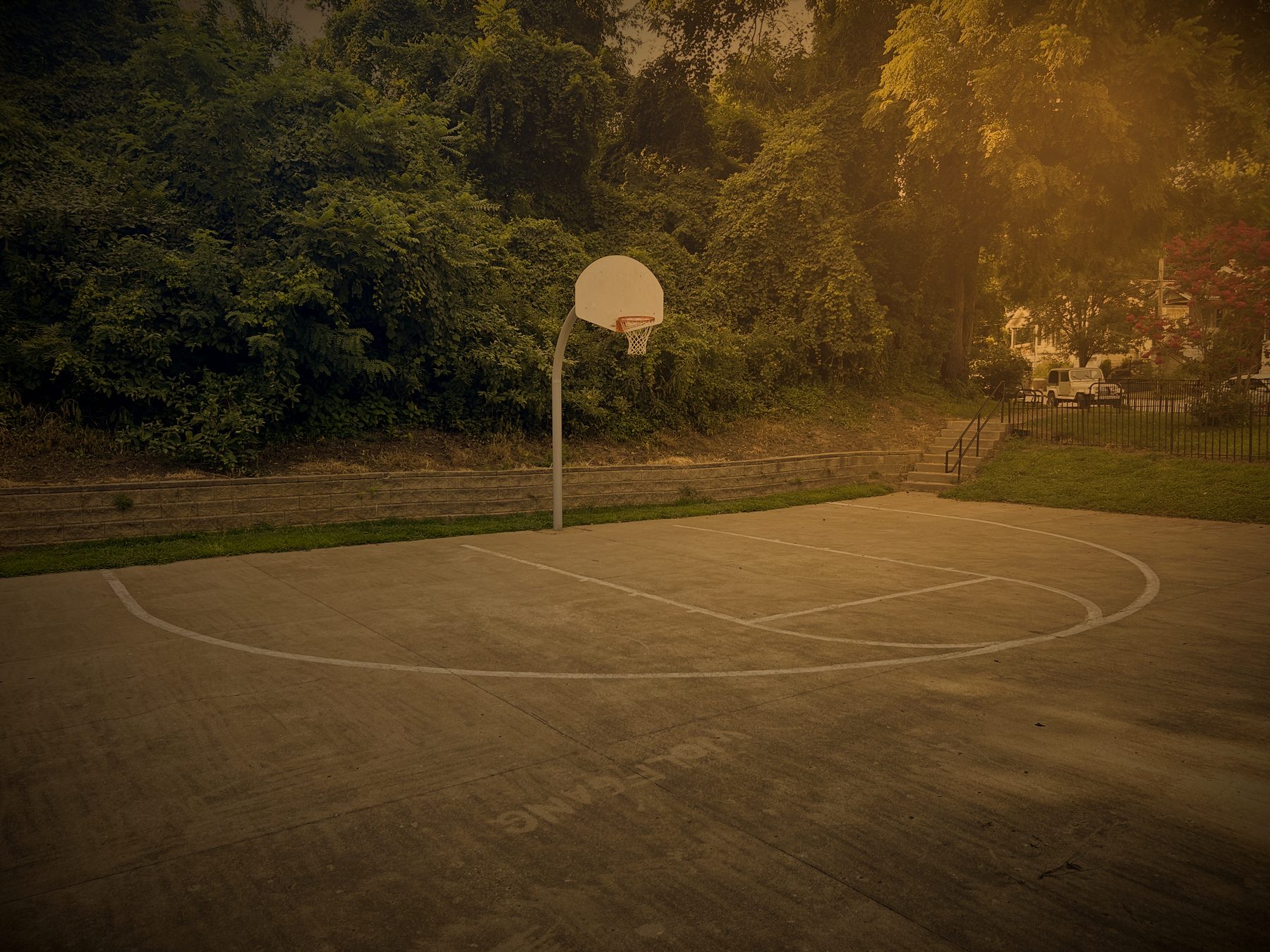
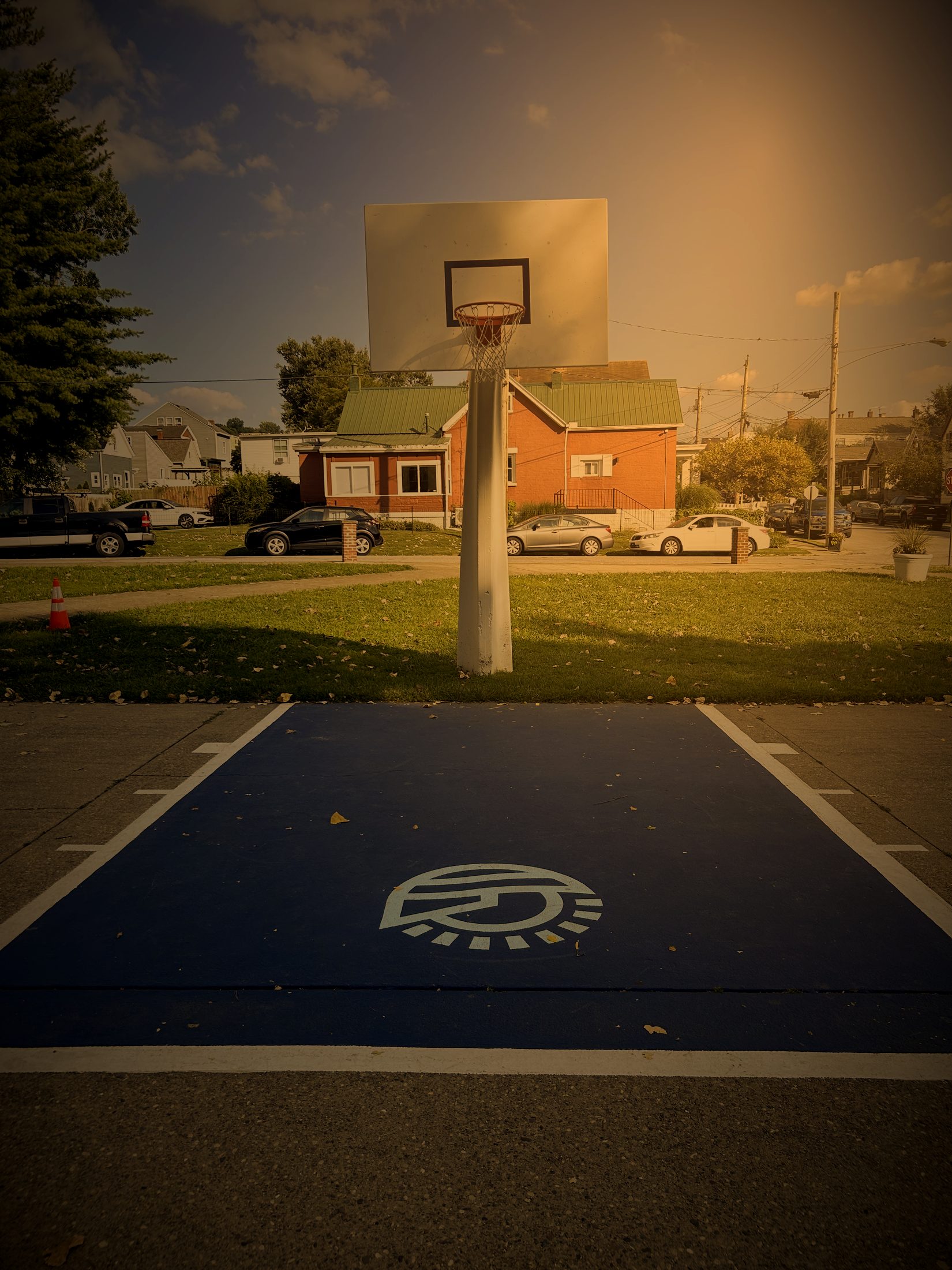
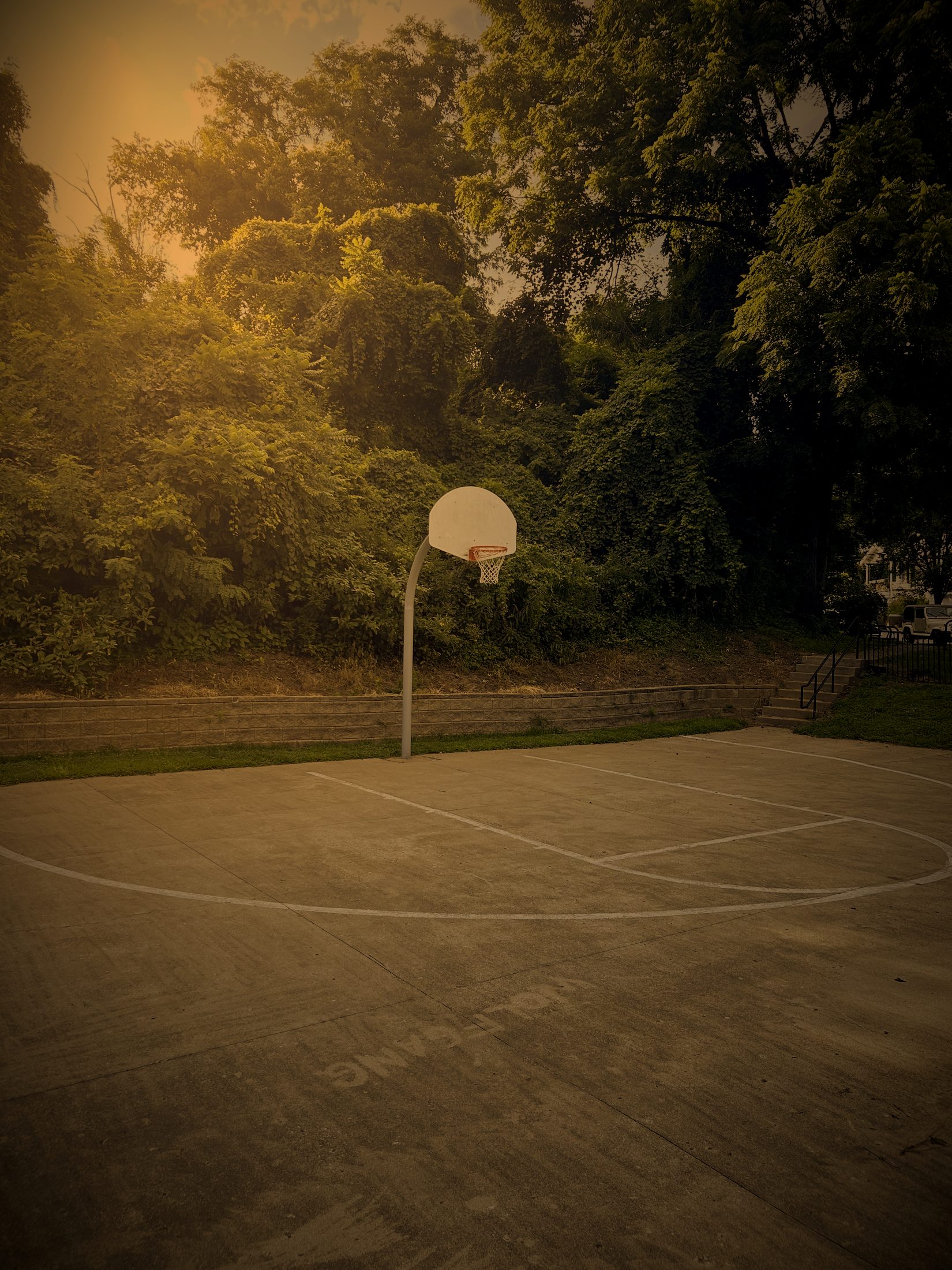
outdoor courts: Bellevue Beach, Newport and Swope
01 / What this is
What is basketball player development?
Player development is the work that makes a specific player better at specific things. Not a camp, not a team practice, and not a tournament weekend. One coach, one plan built around how you already play, and enough repetition that the skill still works when you are tired and someone is guarding you.
Most young players in Northern Kentucky are busy. They are on a school team, and then a club team, and then a showcase. What almost none of them get is unstructured, high volume work on the two or three things actually holding them back.
That is the entire job here. Alex builds a plan from the player in front of him, their position, their body, and the habits they already have, then drills it. The plan changes when the player changes. Nothing about it is a package that gets handed to the next kid.

Who this is for
Players from middle school through college who are willing to work on the boring thing for months. Boys and girls. Parents who want a straight answer about where their kid actually is.
If you are looking for exposure, a highlight reel, or a shortcut before tryouts next week, this is the wrong place and Alex will say so on the phone.
04 / The numbers nobody puts on a poster
What the odds of college basketball actually look like
of high school boys basketball players go on to play NCAA basketball at any division.
540,704 high school participants, 19,617 NCAA participants. NCAA, 2024-25
reach Division III, the single largest pathway for men. Division II ties Division I at 1.1%.
Chasing only Division I ignores roughly two thirds of the real opportunities. NCAA, 2024-25
of high school girls basketball players reach the NCAA. The odds are better on the girls side at every division.
356,240 high school participants, 16,823 NCAA participants. NCAA, 2024-25
These are not here to talk anyone out of anything. They are here because the interesting number is not the doom number, it is the split. The recruiting page works through what that means for a 9th Region player.
05 / What we train
Six things a session gets built around
Every skill page explains what the work looks like, who it suits, and who it does not.
Shooting
Mechanics that survive fatigue, contact and a closeout.

Ball handling
Handle that holds up against pressure, not against cones.
Guard play
Running a team, changing pace, and seeing the second defender.
Decision making
Reads and split second choices. Almost nobody trains this. It is the whole point.

One on one
A private session with one plan and no waiting.
Small group
Two to four players, live reps, real defenders.
06 / Where we train
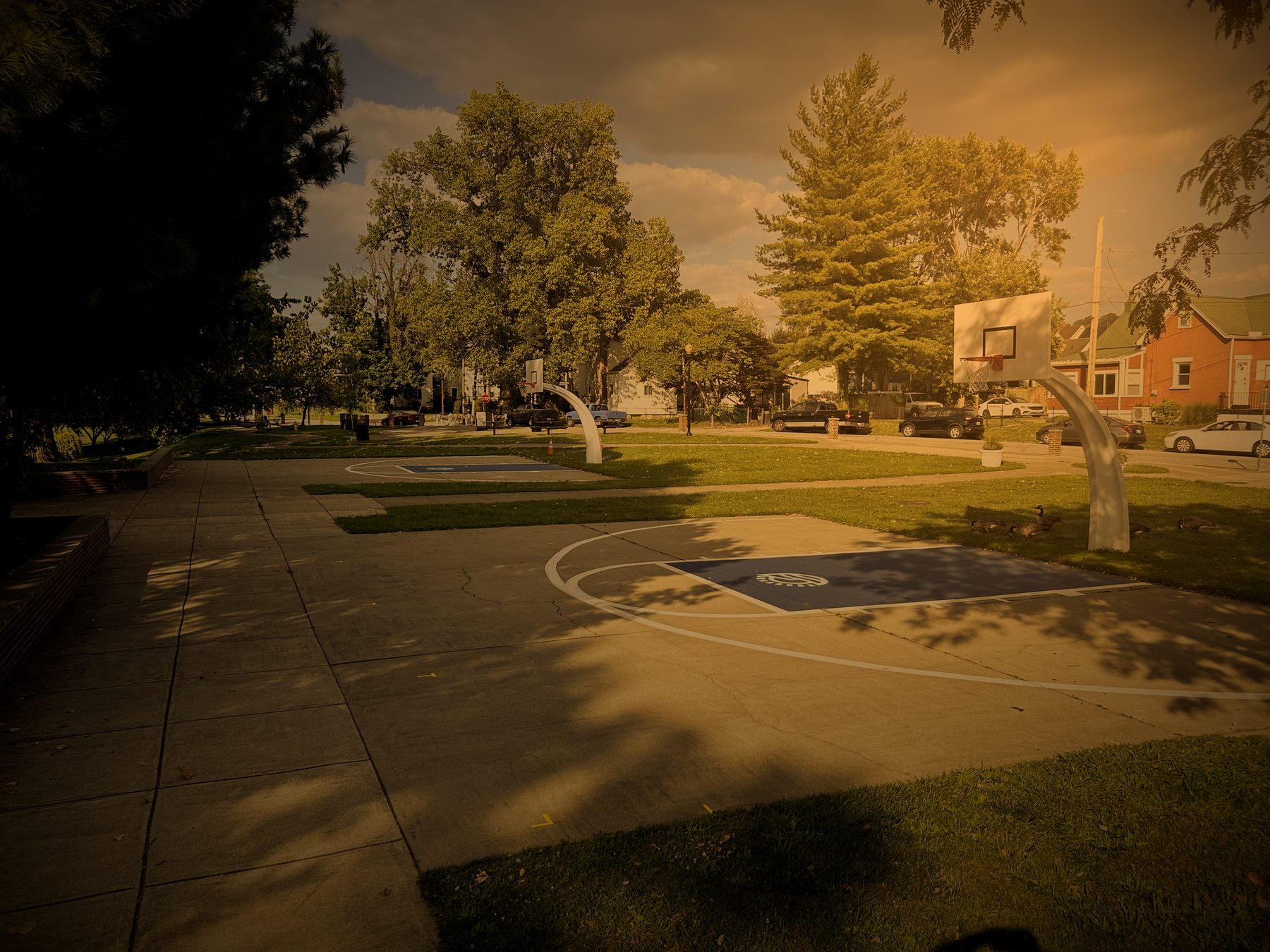
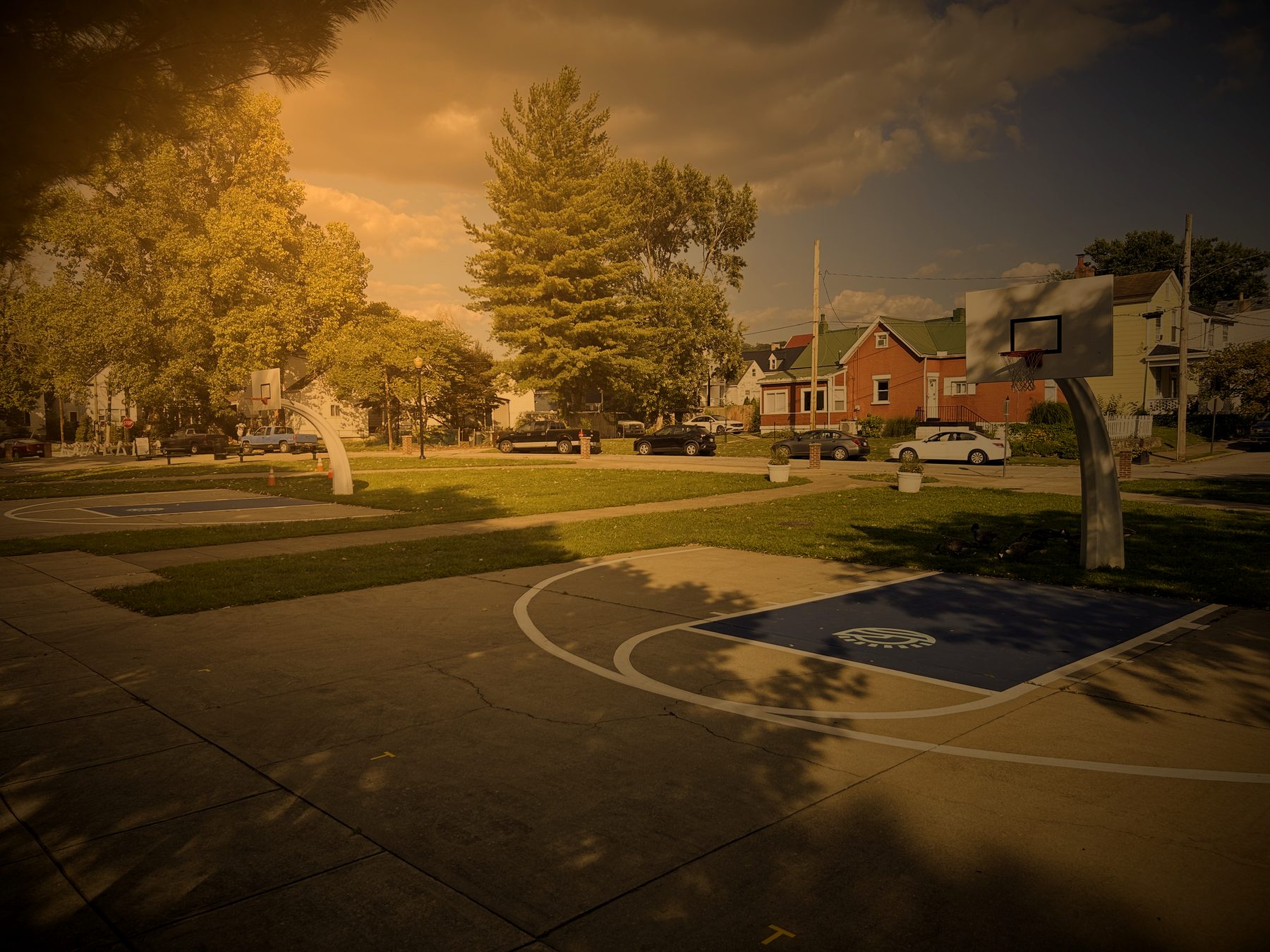
Three outdoor courts, no climate control
Players travel in from Fort Thomas, Covington, Dayton, Highland Heights, Cold Spring, Alexandria and Florence.
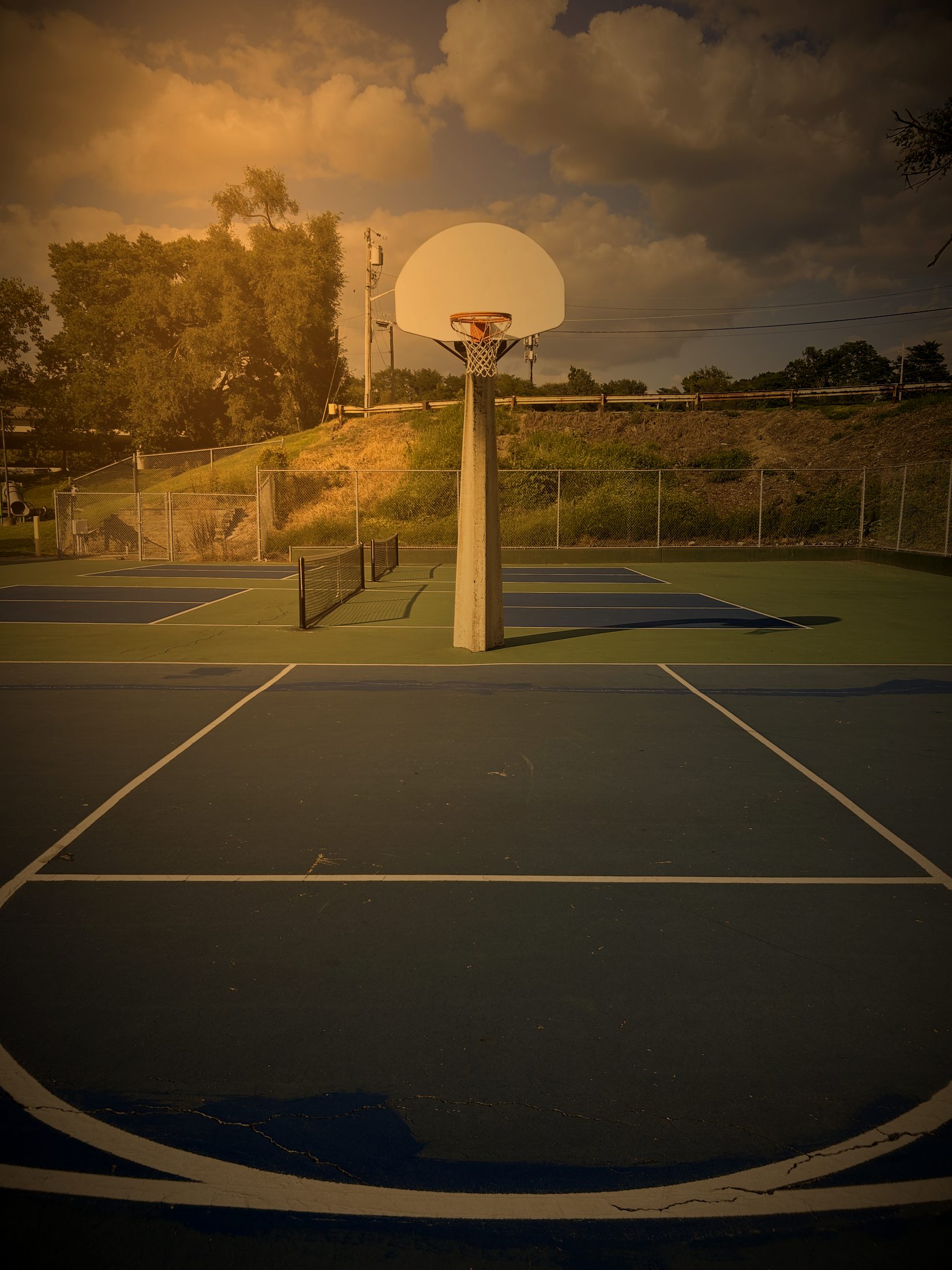 Newport
07 / What it costs
Three packages, every price published
Training is sold by the month rather than one session at a time, because repetition needs a schedule. The longer the commitment, the less each session costs. There are no payment links on this site. Every player starts with a free call.
Starter
$320Per monthSee the work before you plan a season around it.
Foundation
$300Per monthLong enough to change something structural.
Development
$280Per monthHalf a year of reps, and the lowest cost per session.
09 / What a player took away
One of Alex's players, years later
I never appeared on an All NBA team. The mentality and life skills I learned from Coach Alex Grant have propelled me in life. I am a United States Marine and a three time business owner. I owe the mindset to Coach telling me to stay scrappy.
Eighth grade, one hundred pounds, five foot eight, and Coach Alex Grant was able to get me a spot on my high school basketball roster through his coaching. The skill development and mentality his coaching taught me will never be forgotten.Benjamin Davis
Former player, written 2026
10 / Common questions
Questions parents ask first
Is AAU enough to develop my kid?
No, and it is not designed to be. AAU is a showcase. It puts players in front of people and it fills a calendar with games. Development happens in the reps between those games, and most AAU schedules leave no room to do that work. The two are not in competition. One shows what a player has, the other builds it.
How much is a session and how do packages work?
Training runs $280 to $320 a month. Starter is $320 a month for four sessions on a one month commitment, Foundation is $300 a month for twelve sessions across three months, and Development is $280 a month for twenty four sessions across six months. The longer the commitment, the lower the cost per session. See the pricing page for what is included.
Where exactly do you train?
Three outdoor public courts: Bellevue Beach Park in Bellevue, a court in Newport, and Swope. Players travel in from Fort Thomas, Covington, Dayton, Highland Heights, Cold Spring, Alexandria and Florence. The courts page has the detail for each one.
What happens when it rains?
The session moves. Outdoor training means the weather gets a vote, so sessions get rescheduled rather than run on a wet surface, which is how ankles get hurt. You are told the same day, not left standing at a court.
How young is too young to start?
There is no single age, but there is a real ceiling on volume. The American Orthopaedic Society for Sports Medicine reports a greater than 2 to 1 increase in injury rate when organized play displaces free play, and flags athletes training more hours per week than their age. If a player is already at that line, Alex will tell you to do less, not sell you more. Read the statement