Home / Training
TRAINING
Seven kinds of work, one plan
Nobody needs all seven at once. A plan picks the two or three that are actually holding a player back and works them until they hold up with a defender in the way.
01 / HOW IT FITS
How do the training pages fit together?
They are the parts of one plan, not a menu of separate products. Every player starts with an honest look at what is missing, then works the two or three areas that matter most, in a format that suits the skill being built.
The format comes first. One-on-one training is where a broken mechanic gets fixed, because every repetition is seen and corrected. Small group training is where that repaired skill gets tested against a defender, a clock and fatigue, which is the only honest way to find out whether it is real yet. Most players need both, in that order, across a plan.
Then the skills. Shooting is mechanics plus volume plus the ability to repeat the same motion when tired and off balance. Ball handling is both hands under pressure, not cone drills that look impressive with nobody guarding. Guard play puts those together with pace, pick and roll reads and the job of running a team. Decision making is the one most families skip, and it is the one college coaches watch: reading the second defender, moving the ball on time, knowing which shot belongs to whom. Girls basketball covers work built for women's programs, which Alex has coached at the college level alongside men's.
The thesis behind all of it is that there are no shortcuts. Skill comes from repetition and drill work, plus decision making trained under pressure, repeated often enough that it survives a real game. Tournament basketball showcases skill. It does not build it. That is why the work here is built around what a player does in a session, not around which events they attend.
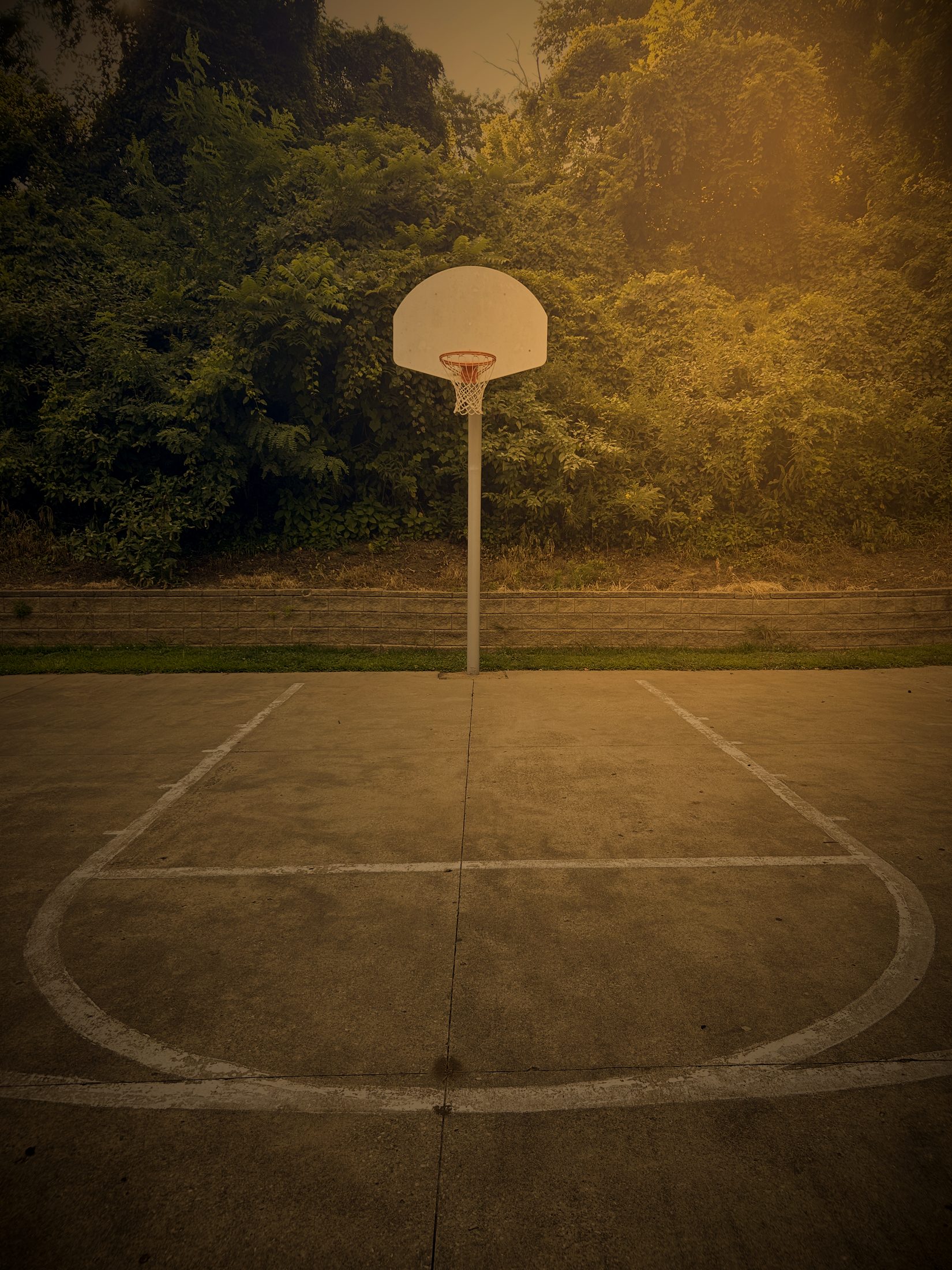
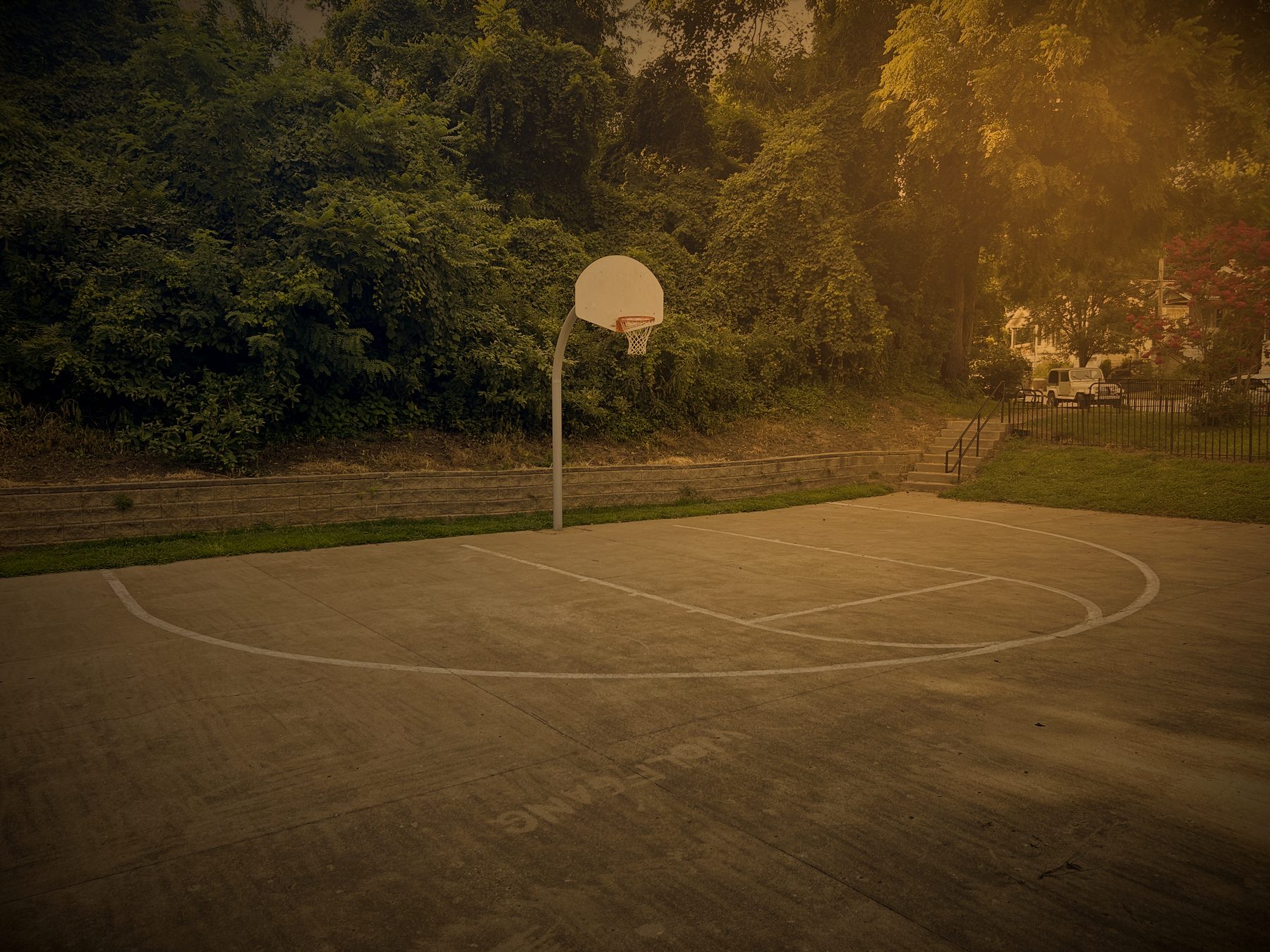
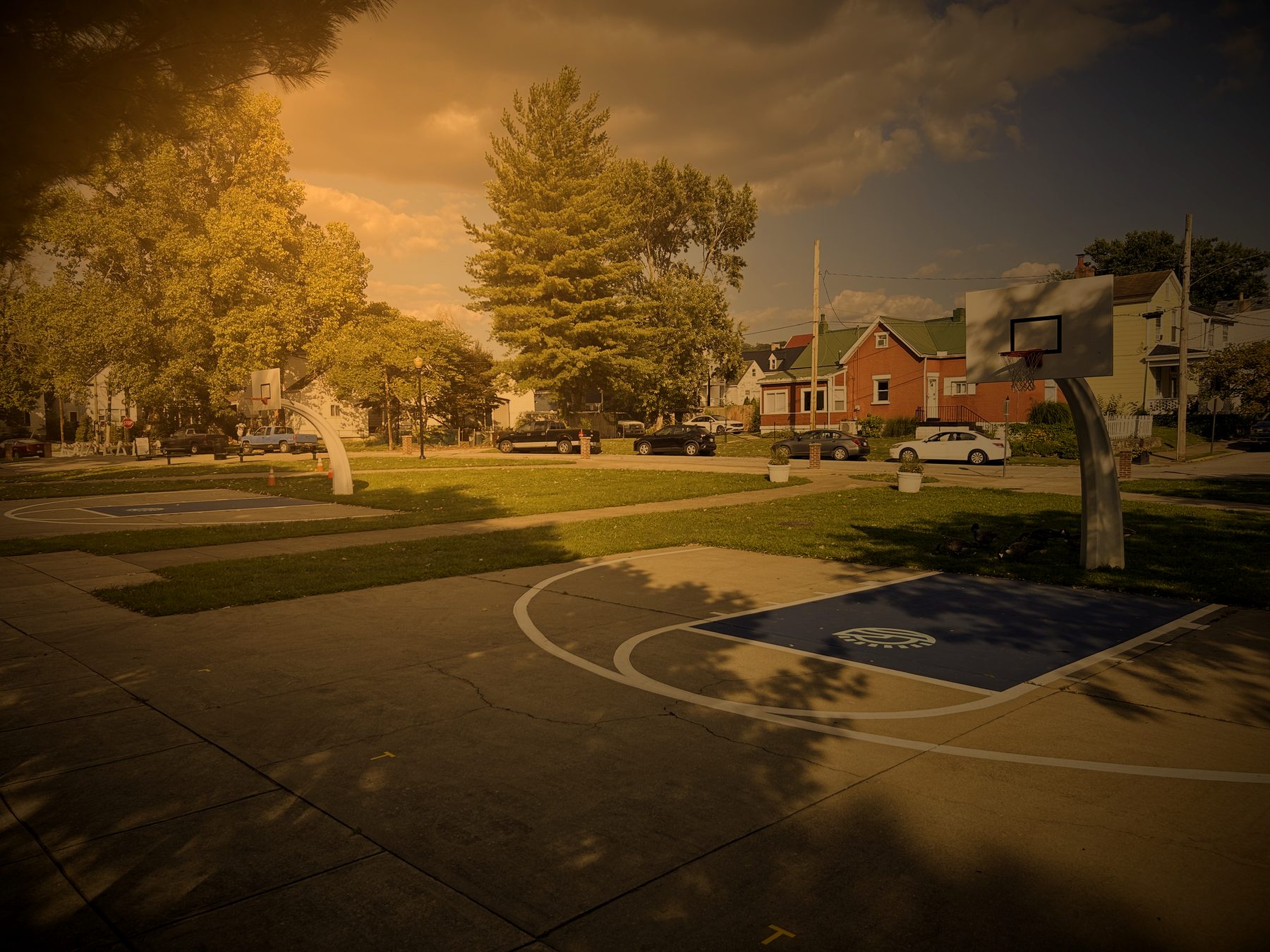
Plans are per player. A sophomore who cannot go left needs a different eight weeks than a senior guard who cannot shoot off the catch, and selling both of them the same program would be easier and worse. Training runs $280 to $320 a month on three outdoor public courts in Bellevue, Newport and Swope.
02 / THE ORDER
How a plan is normally built
Same four steps for every player, different content inside them.
- Find the actual gap
- The first session is mostly assessment. Which hand does the player avoid, does the shot change under fatigue, do they see the help defender, can they guard without fouling. The answer decides which of the seven areas the plan uses and which it ignores.
- Fix it alone
- Mechanics get rebuilt in one-on-one work, where every repetition is counted and corrected. This is the least entertaining part of the process and the part that changes the most.
- Test it under pressure
- Small group work adds a defender, a clock and tired legs. A skill that only exists in an empty gym does not exist. Decision-making work lives here too.
- Repeat until it is boring
- Nothing holds up in a game until it has been done enough times that the player stops thinking about it. Numbers are written down week to week so progress is a measurement rather than an opinion.
03 / The seven
Every kind of session
Private One On One Training
One player, one plan, built from their position, their body and the way they already play.
Small Group Training
A group of two to four is small enough that Alex can still correct every repetition, and large enough that.
Shooting And Shot Development
Most players do not have a shooting problem, they have a repetition problem. Alex takes the shot apart, fixes.
Ball Handling And Finishing
Cone work builds a handle that looks good on video. Alex builds one that holds up when a defender is in your.
Guard And Point Guard Play
Guards are asked to handle pressure, read a ball screen, control pace and keep four teammates organized. Most.
Decisions Under Pressure
Basketball is a game of split second decisions. Nearly all training treats those decisions as something a.
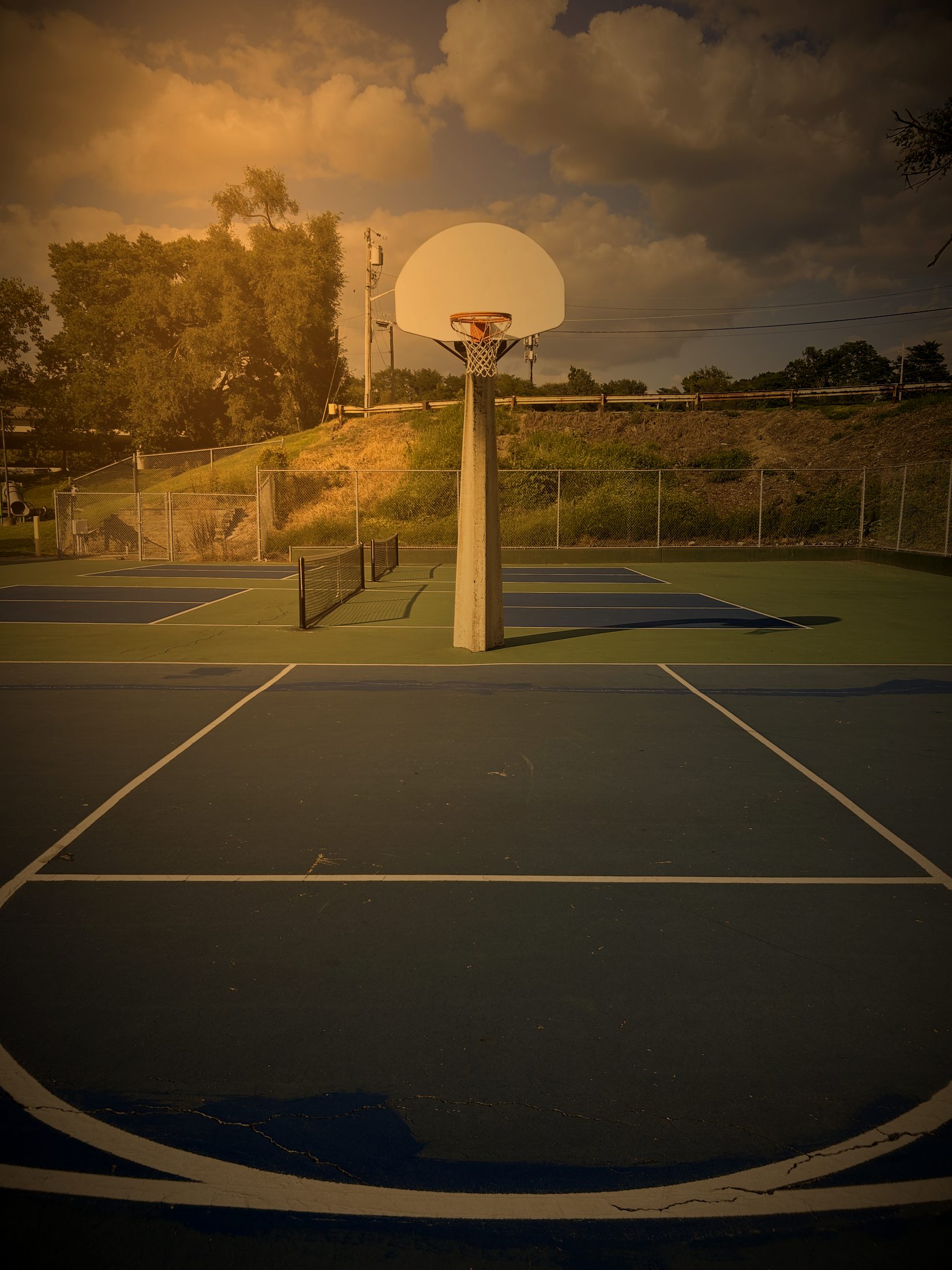
Girls And Women'S Training
Alex has coached women's programs as well as men's across eight years at middle school, high school and.
04 / Questions
Common questions
Which page should I start with?
Start with one-on-one training if you are not sure. The first session identifies the gap and the plan follows from that, so you do not need to pick a specialty in advance. If a high school coach has already told you what is missing, go straight to shooting, ball handling, guard play or decision making.
Do you train girls?
Yes. Alex has coached both men's and women's programs across eight years at middle school, high school and college level. See girls basketball training.
What does a session cost?
Training runs $280 to $320 a month, which works out to $70 to $80 a session.
Every plan starts with one honest assessment.
Tell Alex what the player is stuck on. He will say if he is not the right fit.