
Home / About / About
ABOUT
Eight years of coaching, and a strong opinion about how players get better
I am Alex Grant. I have coached basketball for eight years across middle school, high school and college, with both men's and women's programs. Blacktop Academy is the version of that work I believe in most: one player, one plan, outdoors.
01 / WHO I AM
Who is the coach behind Blacktop Academy?
Alex Grant. Eight years coaching middle school, high school and college basketball, with men's and women's programs. Before coaching, three years as a college player and a team captain. Multiple players I have coached have scored 1,000 points, and two of them reached it after starting development work with me.
At Blacktop Academy, the goal is simple: develop better basketball players through purposeful work, repetition, and attention to detail.
I played three years of college basketball and was a captain, which is where I learned that the players who got better were not the ones with the best highlight reels. They were the ones who could still execute when they were tired, guarded and behind. That has not changed at any level I have coached since.
Across eight years I have been on staffs at middle school, high school and college, and I have worked with both men's and women's programs. Coaching both sides of the sport is one of the more useful things that has happened to me. It cures you of a lot of assumptions about what a player needs based on how they look.
I started Blacktop Academy because I kept watching the same thing happen. A player would come through a program with real ability and no foundation under it, because nobody had ever made them do the slow work. By the time it mattered, there was not enough runway left. I would rather get to a player earlier and give them the thing that actually holds up.
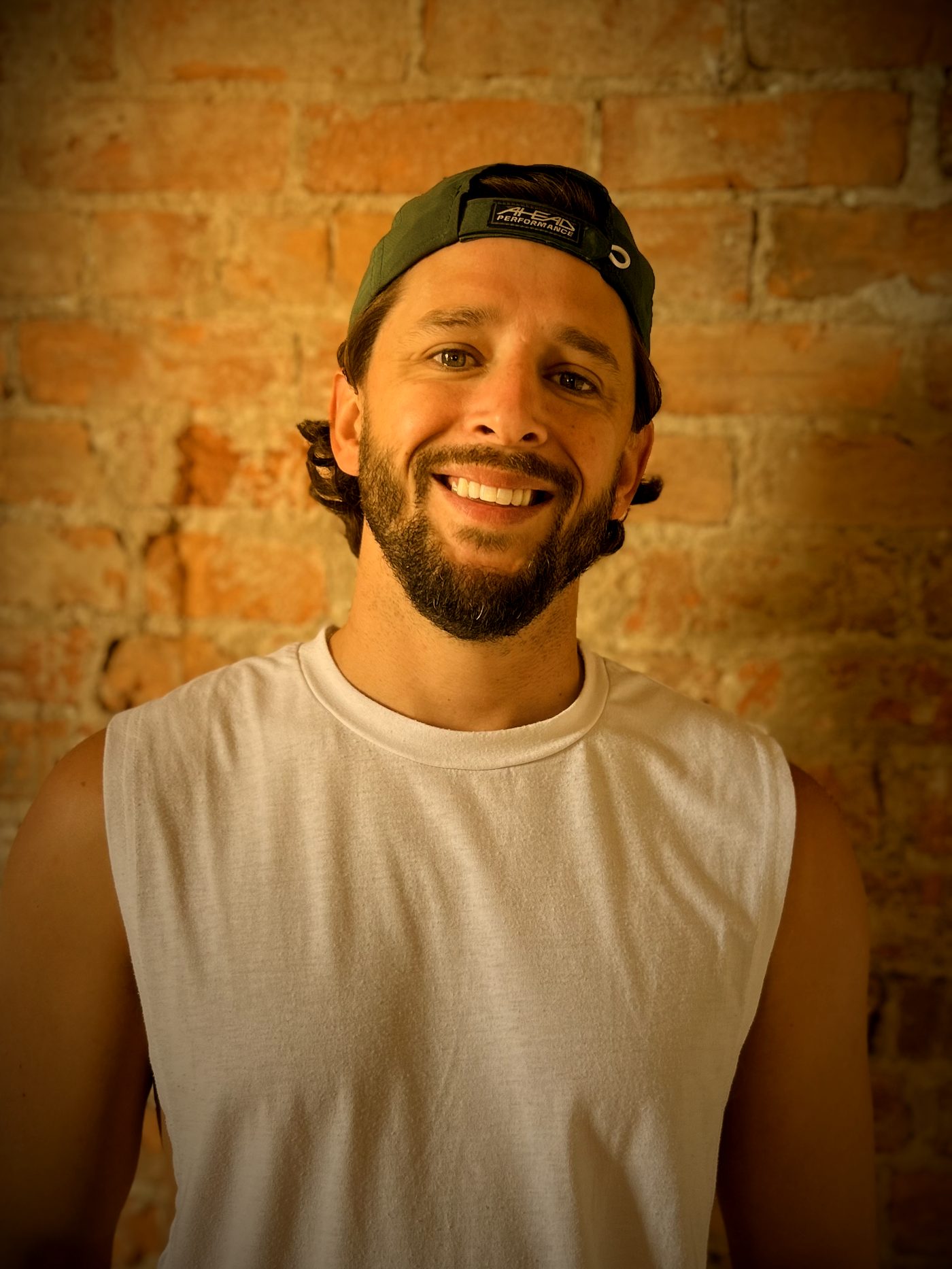
In his own words
Why playing and developing are not the same thing
A minute and forty four seconds, filmed by Alex, no script. It is the argument the whole practice is built on: a player can be on a court every weekend of the year and still not get better, because playing a game and developing a skill are two different activities.
Skill needs a plan and it needs repetition. The work is finding what a player is good at, finding what is holding them back, and building something that addresses both in an order that makes sense.
Alex Grant, founder, 1 minute 44
02 / RECORD AND BELIEFS
What I have done and what I believe
The first two are the record. The last two are the argument.
- 01
Eight years coaching at three levels
Middle school, high school and college, with both men's and women's programs. Different ages need different things, and coaching all of them is what taught me that.
- 02
College player, team captain, 1,000-point scorers
Three years as a college player and a captain. Multiple players I have coached have reached 1,000 career points, two of them after beginning development work with me.
- 03
There are no shortcuts, and AAU is not development
AAU showcases skill. It does not develop it. Skill comes from repetition and drill work, done properly, for longer than anyone wants to do it.
- 04
Decision making has to be trained on purpose
Basketball is a game of split-second decisions. If a player has never practiced deciding under pressure, they will not suddenly start doing it in a game.
04 / BACKGROUND
The record, in numbers
Coaching at middle school, high school and college level, working with both men's and women's basketball programs.
Blacktop Academy
Playing career at the college level, including time as a team captain.
Blacktop Academy
Multiple players I have coached have reached 1,000 career points. Two of them reached the milestone after beginning development work with me.
Blacktop Academy
Those are the only claims I will make about results, because they are the only ones I can stand behind.
What a player took away
One of Alex's players, years later
I never appeared on an All NBA team. The mentality and life skills I learned from Coach Alex Grant have propelled me in life. I am a United States Marine and a three time business owner. I owe the mindset to Coach telling me to stay scrappy.
Eighth grade, one hundred pounds, five foot eight, and Coach Alex Grant was able to get me a spot on my high school basketball roster through his coaching. The skill development and mentality his coaching taught me will never be forgotten.Benjamin Davis
Former player, written 2026
05 / Questions
What people ask about this
What levels have you coached?
Middle school, high school and college, over eight years, with both men's and women's programs. Before coaching I played three years of college basketball and was a team captain. Coaching across those levels is the reason I build a plan per player rather than running everyone through the same session, because a seventh grader and a college guard do not need the same hour.
Why do you not use a gym?
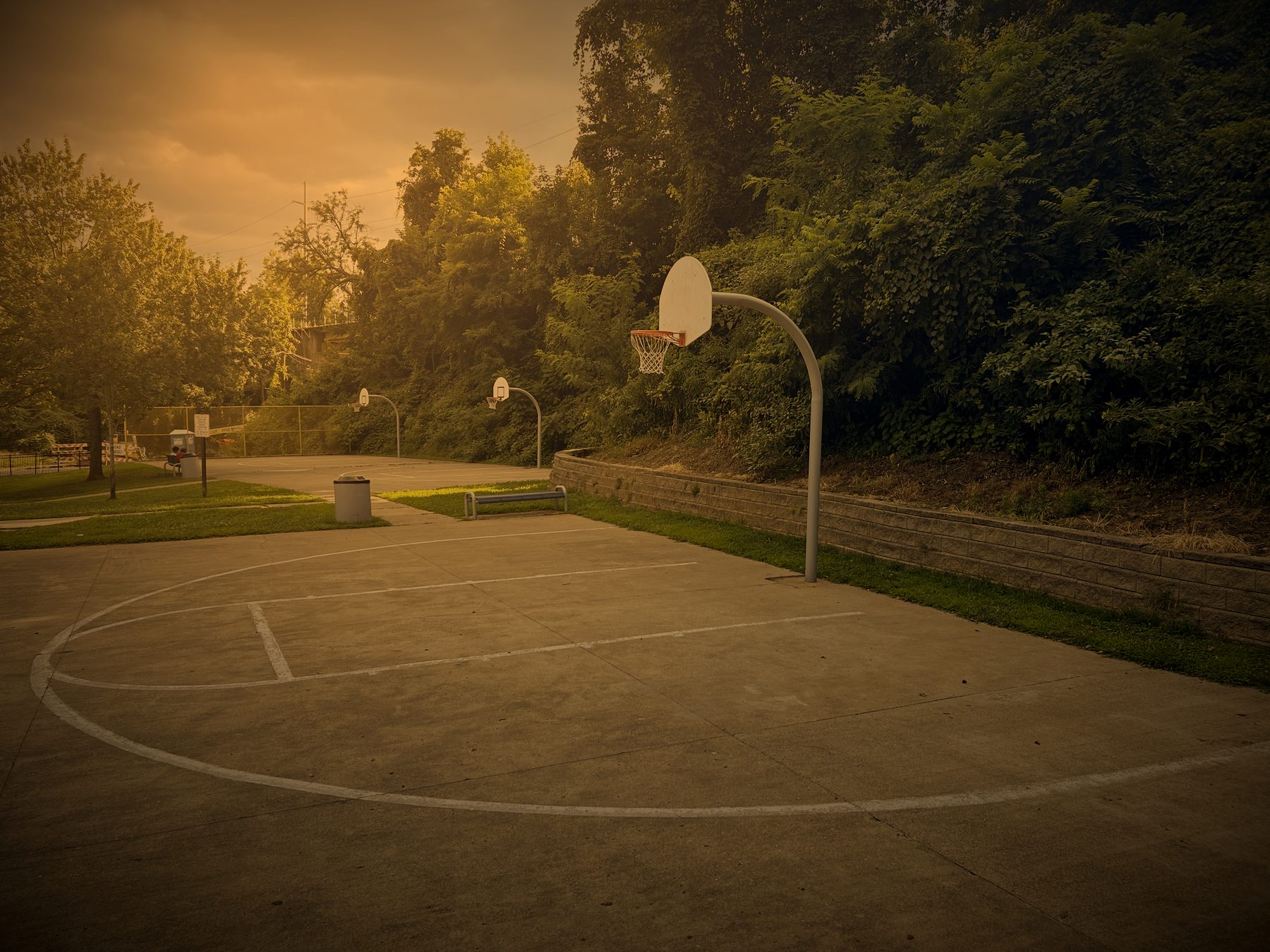
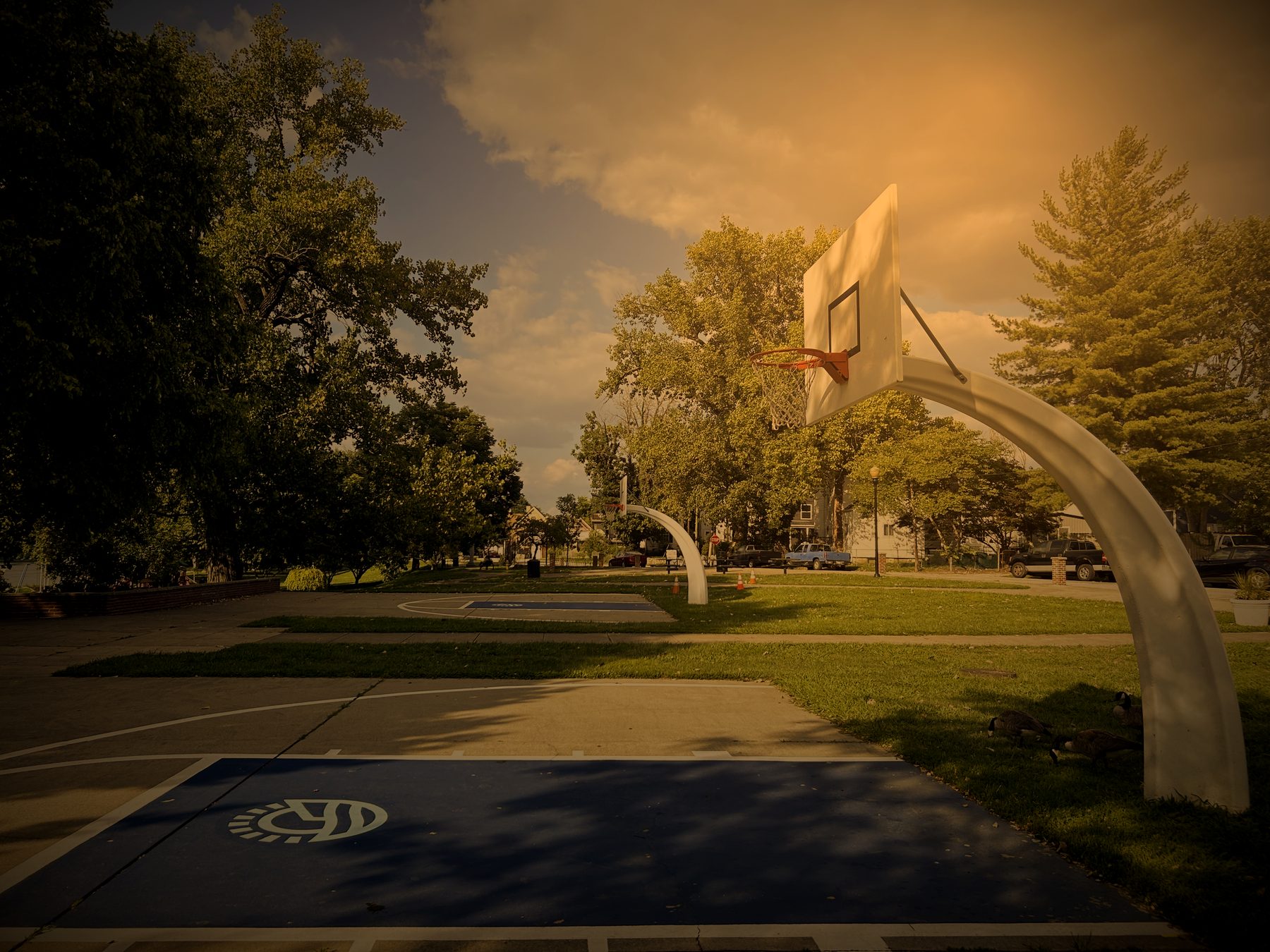
Because outdoor courts are honest. Bellevue Beach Park, a court in Newport, and Swope are where every session happens. Wind, an unforgiving rim and a real surface strip out anything that only works in perfect conditions. It also keeps the work available to the player when I am not there, which is where most improvement actually comes from.
What do you think is wrong with youth basketball right now?
Winning has been valued over development. Fourth-grade teams press to force turnovers so they can shoot layups, and never have to learn to play in a half court. That wins games at nine years old and leaves a player without a foundation at fifteen. AAU has the same shape at older ages. It showcases skill without developing it.
What should a parent expect from working with you?
Purposeful work, repetition, and attention to detail, on a plan built from your player's position, body and existing habits. Expect to hear the truth about where they are, including when the honest answer is that they are training too much already or that the timeline you want is not realistic. Expect no promises about results I cannot control.
Book a session and find out where the gap actually is.
$280 to $320 a month, outdoors at Bellevue Beach, Newport or Swope. Alex replies within a day.